The 3 Homestead Projects That Brought My Family Closer (After We Got Them Wrong)
I thought homesteading projects for families would be like those Instagram posts – everyone smiling in matching flannel, kids gathering eggs while the sun sets golden over the pasture. What I got instead was my eight-year-old nephew crying in the chicken coop because Hank knocked over the water bucket he’d just filled, and my sister threatening to drive back to Nashville if we made her help with one more “character-building” farm project.
That was last summer when my sister and her kids came to stay for a week. I had grand plans for easy homesteading projects for families to do together – things that would create memories and teach them about where food comes from. Instead, I learned that what works for our little setup doesn’t automatically scale up when you add kids who’ve never seen a chicken up close.
How to Start Homesteading with Your Family Today
If you’re thinking about trying some homesteading projects with kids or extended family, start smaller than you think you need to. I mean really small. Like embarrassingly small.
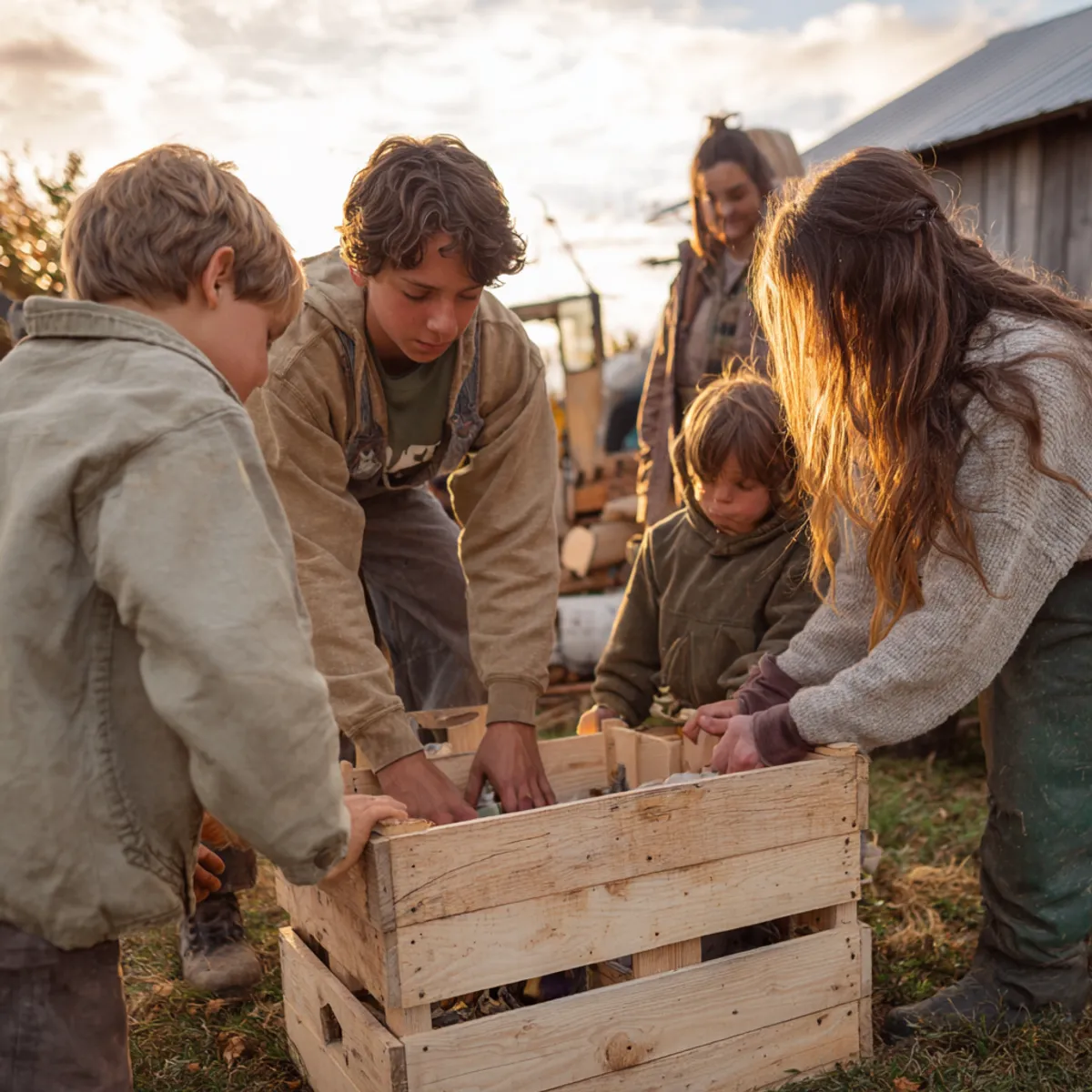
Pick one simple task that takes thirty minutes max and has a clear endpoint. Collecting eggs sounds perfect until you realize some kids are terrified of chickens, and others want to chase them around the yard. Building a simple herb planter box works better – everyone can see progress, nobody gets pecked, and you end up with something useful.
The key is having all materials ready before anyone shows up. Don’t assume you can wing it or that a quick trip to the hardware store with three kids will be “part of the fun.” Ben learned this the hard way when he decided to teach his nephew how to fix fence posts without checking if we actually had spare posts.
- Building a single raised bed (buy the lumber ahead of time)
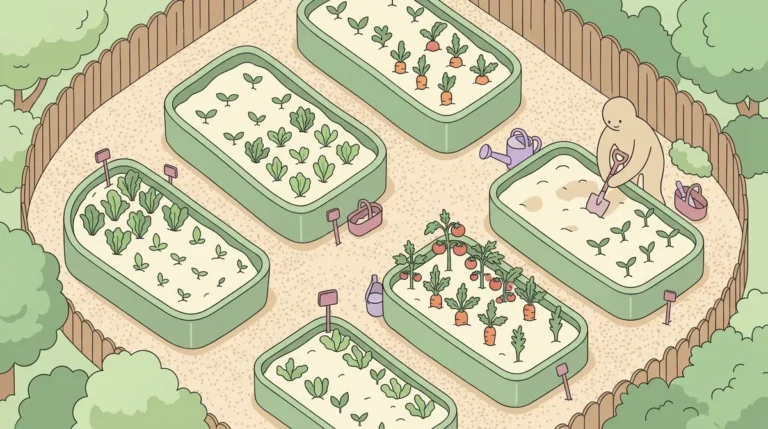
- Planting a pizza garden with just tomatoes, basil, and oregano
- Setting up a simple compost bin using a plastic storage container
Why 4pm Nearly Broke Us
There’s something about 4pm on a farm that tests everyone’s patience. The morning enthusiasm has worn off, lunch was probably eaten standing up while dealing with some minor crisis, and everyone’s getting tired but there’s still hours of daylight left.
This is when my nephew decided he was done helping with the garden project we’d started that morning. Not just taking a break – completely done. He sat down in the dirt between the raised beds and announced he wanted to go home. My sister looked at me like I’d personally ruined her vacation.
Ben was still trying to be the cheerful farm guide, suggesting we take a break and look at the goats instead. But Pepper had escaped again and was standing in the neighbor’s driveway, and June kept bleating from the pen because she hates being left alone. The noise was making everyone cranky.
That’s when I realized the problem wasn’t the kids or the projects – it was my timing. I was trying to do too much in one day, and I hadn’t built in enough boring downtime. Kids need time to just exist on a farm without having to learn or help or appreciate anything.
3 Essential Homesteading Skills for Families
After three summers of trial and error with visiting family, these are the skills that actually matter when you’re working with kids:
- Tool safety without being weird about it – Show them how to carry a shovel properly, where to set down sharp things, how to lift without hurting their back. Don’t make a big production of it, just demonstrate once and correct gently. Kids are more careful when you treat them like they’re capable.
- Reading animals – This matters more than I thought. Teaching kids to notice when a chicken is agitated or when a goat is getting pushy prevents most of the chaos. June gets bossy when she’s hungry, and once kids know that, they stop trying to pet her when she’s in that mood.
- Finishing what you start – Not in a harsh way, but helping them understand that animals depend on you finishing tasks. If you start filling water buckets, you finish filling water buckets. The chickens don’t care if you got distracted by finding a cool beetle.
What I Kept Getting Wrong (And How I Finally Got It Right)
I kept trying to make everything educational. Every single task came with a mini-lesson about soil composition or chicken behavior or why we grow our own food. The kids glazed over after the first ten minutes, and honestly, so did the adults.
Ben finally pointed out that I was turning fun projects into school. “They’re on vacation,” he said while we were cleaning up after a particularly disastrous attempt at teaching my niece about companion planting. “Maybe just let them help without making it into a lesson.”
He was right, which annoyed me because I’d been overthinking it for weeks. Kids don’t need to understand the nitrogen cycle to enjoy digging in dirt. They don’t need to know about integrated pest management to get excited about finding bugs.
Once I stopped trying to be the farm teacher and just let them be helpful, everything got easier. They still learned things, but accidentally, while they were focused on actual tasks.
The best learning happens when kids don’t realize they’re learning anything at all.
The Part Nobody Talks About
Homesteading with kids is messy in ways that don’t show up in blog posts. Someone always needs to use the bathroom at exactly the wrong moment. Tools get left in random places. Simple tasks take three times longer because kids want to examine every earthworm they find.
But also – and this surprised me – kids notice things adults miss. My nephew spotted the early signs of mites on one of our hens before Ben or I did. My sister’s daughter figured out why our tomato plants in one bed were struggling while the others thrived – they were getting shaded by the fence for half the morning.
Kids ask questions that make you realize you don’t actually understand why you do things the way you do. “Why do we plant the tall stuff on the north side?” “Because that’s what the gardening book said” isn’t a good enough answer when you’re facing a curious eight-year-old.
Why These 3 Homestead Projects Worked (When Nothing Else Did)
After multiple failed attempts at elaborate farm education experiences, three simple projects finally clicked:
The Pizza Garden: We planted one small bed with just tomatoes, basil, and oregano. That’s it. No lessons about companion planting or soil amendments. The kids planted seeds, watered them when we reminded them, and got excited when we actually made pizza with ingredients they’d grown. Simple goal, clear payoff.
Chicken Coop Cleaning: I know this sounds terrible, but kids love cleaning the coop. They like the wheelbarrow, they think it’s funny when the chickens follow them around hoping for treats, and they feel genuinely helpful. We did it together every other day, no big deal, just part of the routine.
Building a Simple Gate: Ben suggested this when Pepper kept escaping through a gap in the fence. We needed a basic gate for the goat pen, and he thought the kids might like using real tools. It took most of a morning, involved actual measuring and sawing, and when we hung it and it worked properly, everyone felt proud of making something that solved a real problem.
- Trying to teach composting science while building the bin
- Planning elaborate garden layouts with kids who just wanted to dig
- Making them journal about their farm experiences
- Any project that took longer than two hours
What’s Still Missing (And Why I’m Okay With That)
I still don’t have this figured out completely. Last month when my brother visited with his kids, we had another meltdown over something stupid – I think it was about whether the chickens needed their water refilled right then or could wait until after lunch. The kids sided with immediate chicken care, the adults wanted to eat first, and everyone got grumpy.
I keep thinking there should be some perfect system for including families in farm work without chaos or tears or someone stomping off to sit on the porch. But maybe the chaos is part of it. Maybe kids need to see that farm work is sometimes frustrating and boring and sweaty, not just Instagram-worthy moments with baby animals.
Ben’s working on a simple outdoor sink near the garden so people can wash their hands without trekking mud through the kitchen. I’m not sure if it’ll help with the interpersonal stuff, but it might eliminate at least one source of irritation.
Yesterday I caught my niece teaching her younger cousin how to hold a chicken properly, using the same calm voice I use when I’m trying not to spook them. I didn’t interrupt or turn it into a teaching moment. I just watched from the kitchen window while I made coffee, thinking maybe we’re getting somewhere after all.